
How to measure surface defects for a personal injury claim
If you’ve been injured due to a defect such as a pothole, raised or broken paving slab, damaged kerbs or uneven surfaces in areas such as car parks, clear photographic evidence and specific measurements will be required to know if your claim is something our personal injury solicitors can help with.
In this blog, Samantha Castle, Head of Personal Injury at Barcan and Kirby, explains how surface defects should be measured to support your personal injury claim.
Why do I need to measure the surface defect?
If you’ve been injured after hitting or tripping on a pothole or you have had a slip, trip or fall on an uneven surface or surface defect, photographic evidence is essential. You should visit the accident site and measure the size of the defect, taking photos to document it.
Photographic evidence of road or paving slab defects is key in the early stages of a personal injury claim and helps your lawyer establish whether the claim is likely to succeed or not.
It is best to measure a defect as soon as possible after the injury has occurred to provide an accurate image of the cause. If you are unable to take measurements because you have been seriously injured, someone else can do this on your behalf if they take photos.
How to measure a pothole or pavement defect
Taking a photo of a pothole or cracked paving slab may sound simple, but the measurements must be recorded exactly, as the other side, known as ‘the Defendant’ (most commonly local councils), have their own thresholds.
What you’ll need:
- A tape measure or ruler
- A spirit level
- A camera or phone camera
- Somewhere to take notes
How to measure the defect
- Stand back from the defect and take a clear picture from the direction in which the incident occurred, e.g. walking towards the shop you were due to visit. It is sensible to include nearby landmarks or signs so the location can be easily identified.
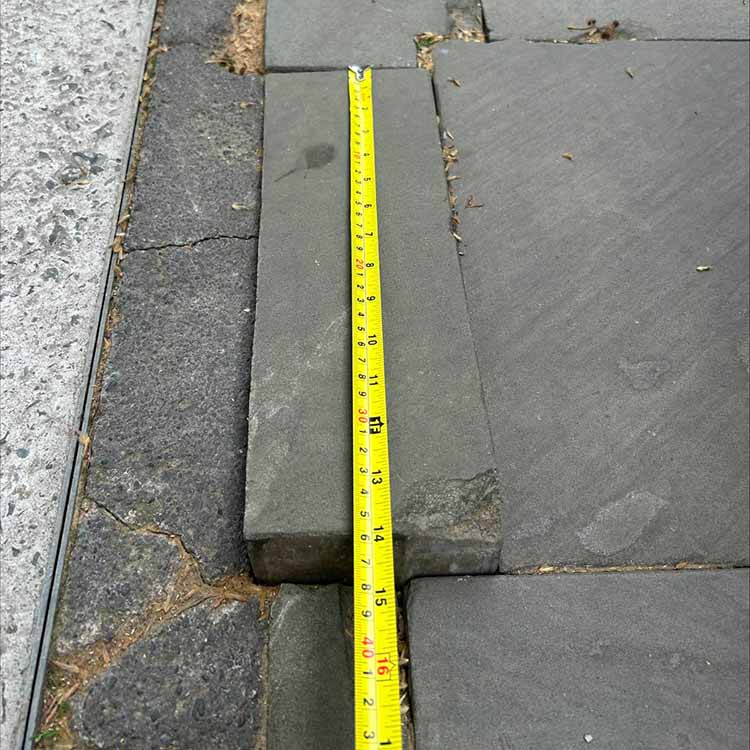
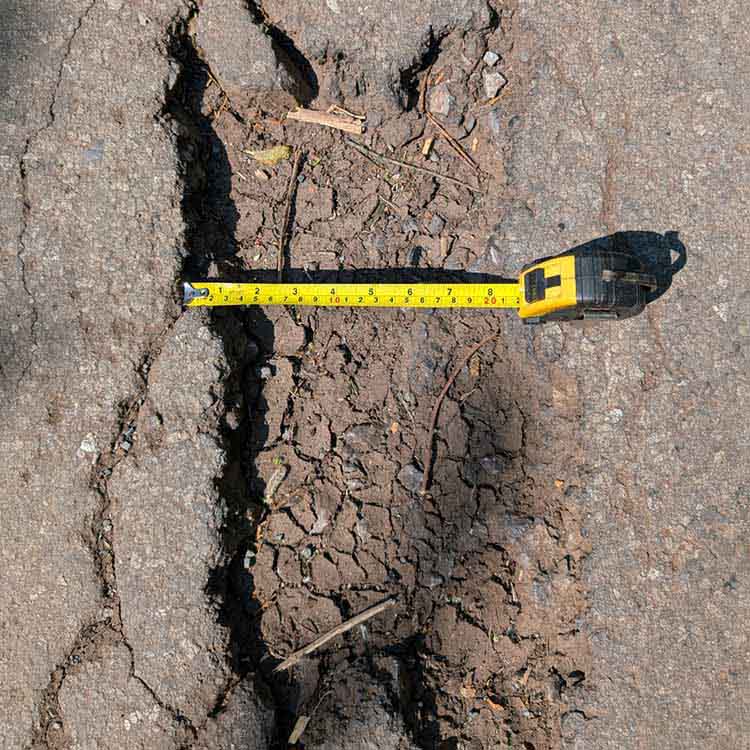
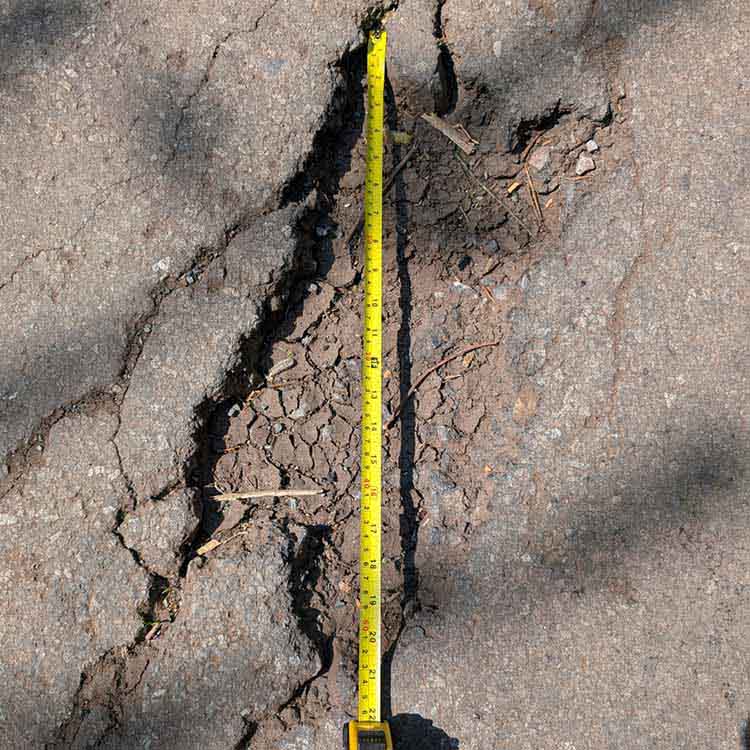
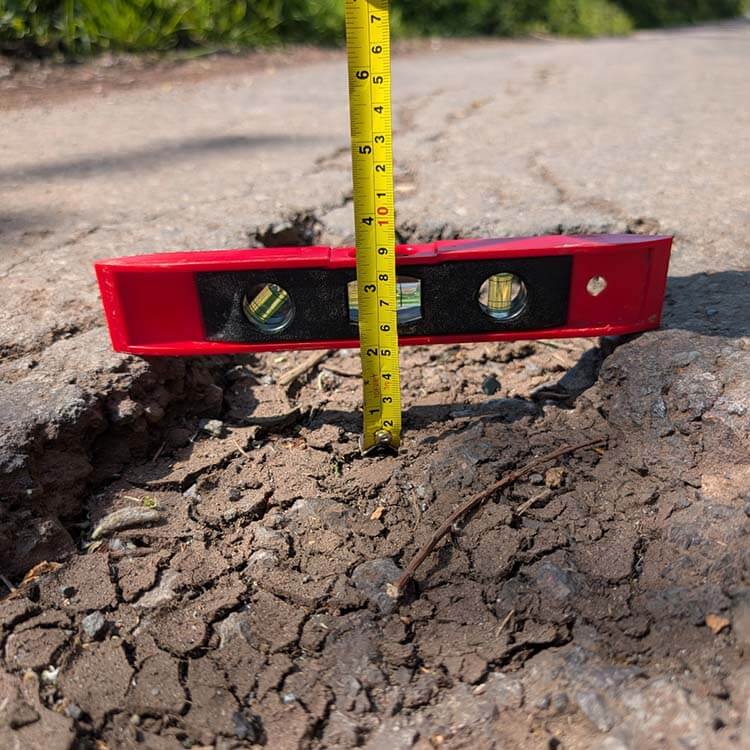
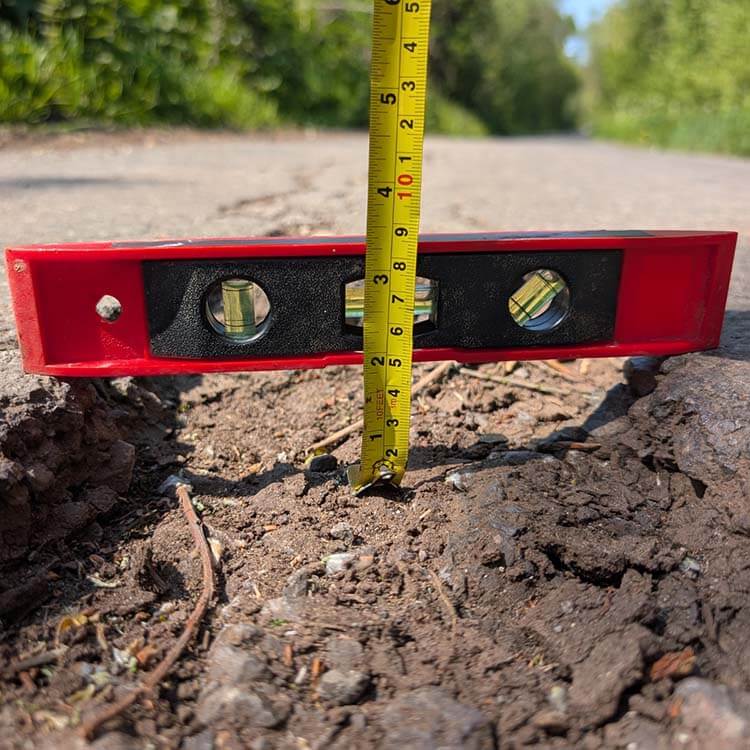
- Use your ruler or tape measure to measure the depth, width and height of the defect.
- Take a picture which shows the measurement of the defect (you may want to bring someone along to hold the tape measure whilst you take the photo, or vice versa) from a number of angles.
- Ensure numbers are readable and the camera is square to the surface.
- Ensure good lighting and no shadows that can impact the photo.
- If the surface is uneven, repeat the above with a spirit level.
- Enable the date/time function on your phone so the photograph is date-stamped.
We have provided the guidance below to help you.
How to measure a pavement defect
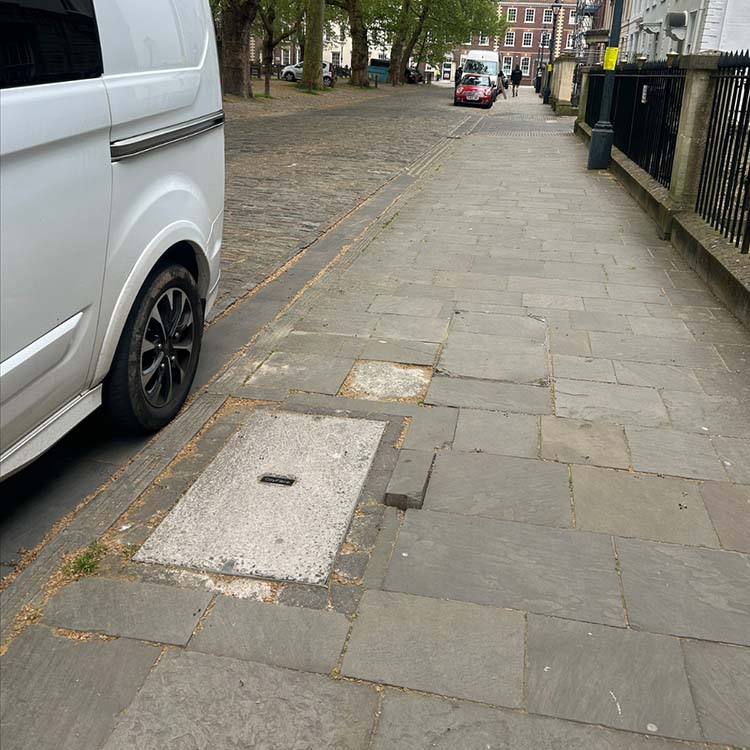
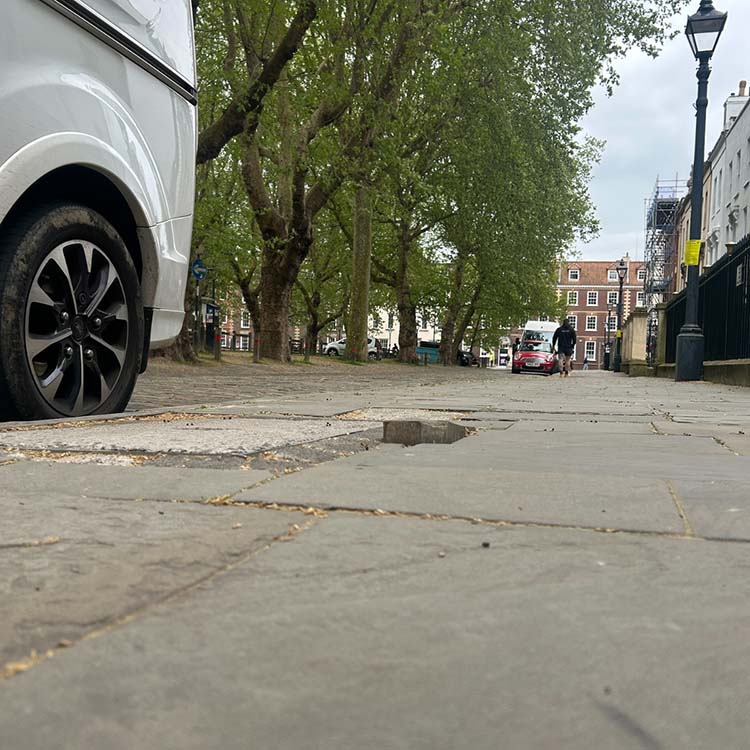
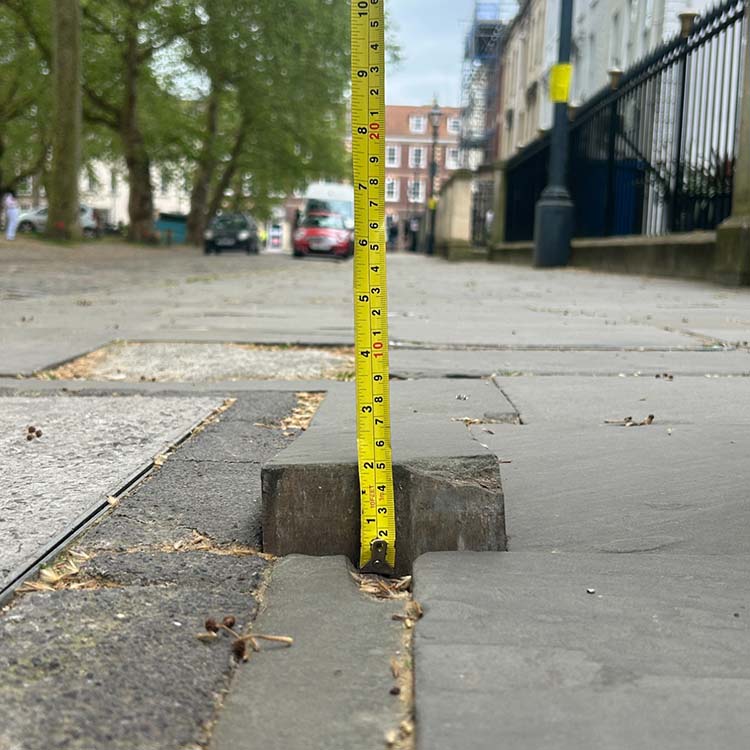
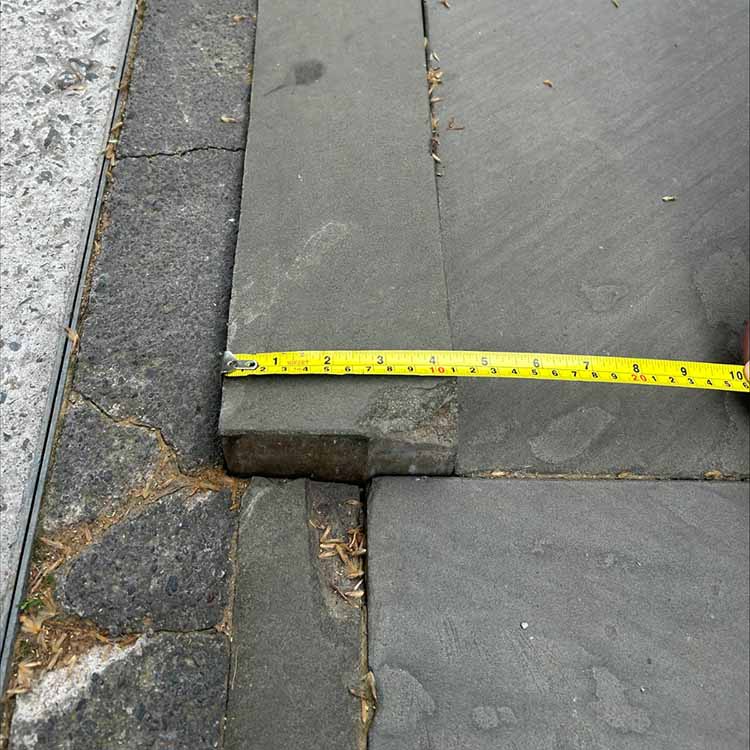
How to measure a pothole
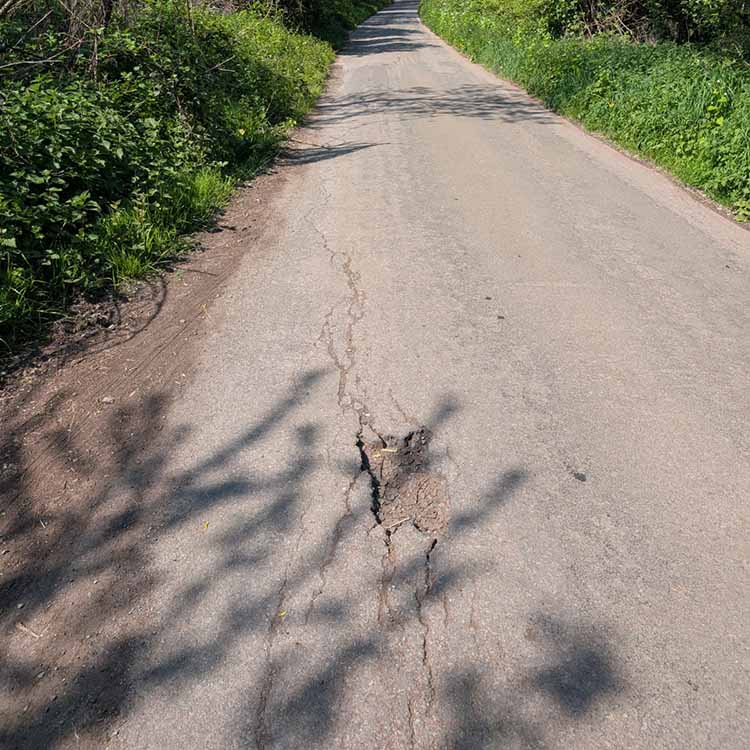
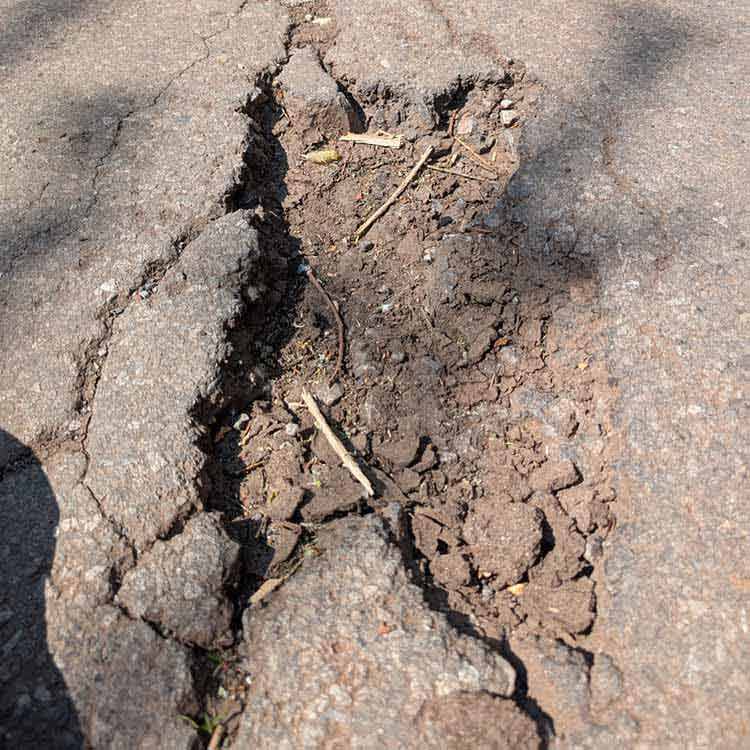
Other evidence
It’s useful if there is any dash cam footage of your accident or of the area at the time your injuries happened. Your lawyer may also review Google Maps history to check the development of the defect and how it was at that time.
Your solicitor will also require photos of your injuries for this and any other type of personal injury claim.
Why correct measurements are important
Correct measurements of the defect are important in supporting your personal injury claim, as they will determine whether it’s something our personal injury solicitors can assist with.
Some defects must meet a minimum size to be eligible. For example, a pothole usually has to be 40mm deep on the road or 25mm deep or more for pavements, for your claim to proceed.
Blog | How are personal injury claims valued?
Contact our personal injury solicitors
If you’ve been injured as a result of a surface defect, our personal injury solicitors may be able to help. Call our friendly team on 0117 325 2929 or fill out our online enquiry form.